

Koh Samui Travel Guide: Must-Visit Attractions, Practical Tips & What to Expect

Updated: May 2

Tucked away in the Gulf of Thailand, Koh Samui is a tropical paradise known for its pristine beaches, clear blue waters, and lush landscapes. I visited as part of a small group trip, and even with only two and a half days on the island, it left a lasting impression. We covered a surprising amount of ground, from national marine parks to sunset viewpoints and night markets, and I came back wishing we'd had at least a couple more days.
If you're planning a trip to Koh Samui, here's everything you need to know: the must-visit attractions, practical logistics, and honest tips from someone who's been there.
Is Koh Samui Worth Visiting?
Koh Samui is Thailand's second-largest island and one of its most visited, which means some areas (particularly around Chaweng Beach) can feel touristy and crowded. It's ideal for travellers who want a mix of beach relaxation, nature, culture, and good food, without the chaos of somewhere like Phuket. It works well as a 3–5 day destination, either as a standalone trip or as part of a wider Thailand itinerary.
Getting to Koh Samui
By Air: Koh Samui has its own airport (USM), which is privately operated by Bangkok Airways. Flights connect directly from Bangkok (Suvarnabhumi), Phuket, Chiang Mai, and several international destinations.
By Bus/Train + Ferry: The more budget-friendly option is to take a train or bus to Surat Thani on the mainland, then a ferry across to Koh Samui. The ferry journey itself takes about 1.5 hours and is perfectly comfortable. Several combined bus-ferry packages are available from Bangkok and Chiang Mai.
Best Time to Visit
Koh Samui has a slightly different weather pattern to the rest of Thailand due to its position in the Gulf.
February to April is generally the best time; dry, sunny, and not too hot
July to September is also largely dry and good for visiting
October to December is the wettest period, with November being particularly rainy
January can be unpredictable but is usually manageable
I visited during the drier season, which made the outdoor activities and boat trips much more enjoyable.
Getting Around the Island
Koh Samui is quite spread out, so you'll need to think about transport.
Scooter rental is the most popular option. It gives you total freedom but the roads can be steep and winding in places.
Grab (Southeast Asia's Uber equivalent) works well in Koh Samui and is often more reliable and transparent on pricing than negotiating with tuk-tuk drivers.
Private taxis are easy to find but negotiate the price before you get in.
Our tour organiser handled all our transfers, which made life easy, but if you're travelling independently, I'd recommend renting a scooter or relying on Grab.
Must-Visit Attractions
Ang Thong National Marine Park
Ang Thong National Marine Park an archipelago of about 40 islands characterized by dramatic limestone cliffs, pristine beaches, and vibrant marine life. A short boat-ride away from Koh Samui, it is perfect for activities such as snorkelling, kayaking, and hiking.
One of the biggest highlights in the park is the Wua Ta Lap Viewpoint, that offers breathtaking views. Getting to the top requires a steep 500-meter hike, which can be a challenge, but once you reach the summit, the view is nothing short of spectacular. The effort is well worth it!
Most visitors join a day tour from Koh Samui, which typically includes snorkelling stops, kayaking, and the viewpoint hike.
Practical tip: Bring sunscreen, plenty of water, and motion sickness tablets if you're prone, as the boat ride can be choppy.

Chaweng Beach
Chaweng Beach is one of Koh Samui’s most vibrant and lively beaches. With its soft white sand and inviting turquoise waters, it’s an ideal spot for swimming and sunbathing. The calm waters are ideal for swimming, while the beachfront is lined with bars, restaurants, and street vendors selling everything from tropical cocktails to local Thai delicacies.
It's also the most developed and busiest part of the island. At night the strip transforms into full-on tourist mode with bars, clubs, and neon lights. If you're after peace and quiet, Chaweng isn't your spot. But for a couple of hours of swimming and people-watching, it's a great time.
We grabbed an early evening drink at one of the beachside bars and watched the sun go down.

Hin Ta Hin Yai
One of the island’s most famous natural attractions is Hin Ta Hin Yai, also known as Grandfather and Grandmother Rocks. Situated along the Lamai Beach coastline, these rock formations have gained fame due to their unique shapes, which amusingly resemble male and female genitalia.

There’s an interesting local legend associated with these rocks: a story of a couple whose boat capsized in a storm, leading to their transformation into these stone formations. Upon arriving at the site, you will be captivated by the breathtaking coastal views and the peaceful atmosphere. This spot also offers great opportunities for photography, especially during sunset.
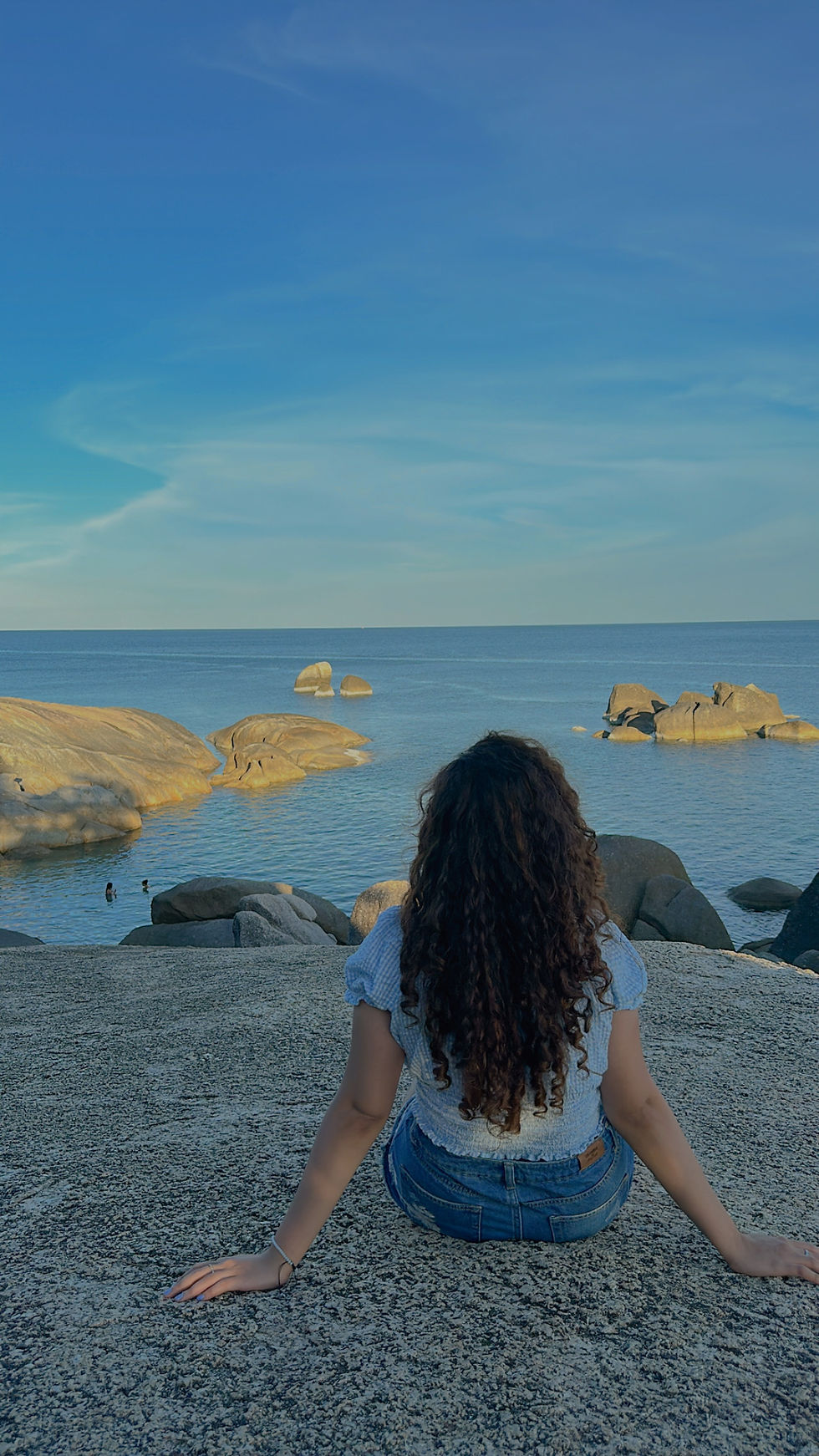
Lad Koh Viewpoint
Koh Samui is home to numerous scenic viewpoints, but Lad Koh Viewpoint stands out as one of the most picturesque. The moment you reach the spot, you will be greeted by sweeping views of the ocean stretching as far as the eye could see. As the sun begins to dip below the horizon, the sky transforms into a masterpiece of pink and orange hues. Whether you’re looking for a peaceful moment of reflection or a stunning backdrop for a photo session, this place is an absolute must-visit.

Fisherman’s Village
If you want a break from the more touristy parts of the island, Bophut's Fisherman's Village is a lovely change of pace. It's a small strip of old Chinese shophouses that have been converted into boutique cafés, restaurants, and shops, sitting right on the beach. The atmosphere is relaxed and charming, more local-feeling than Chaweng.
Top recommendations:
Try authentic Thai dishes like Pad Thai or mango sticky rice at one of the many beachfront restaurants.
Explore the stylish boutique shops offering handmade souvenirs and crafts.
Consider staying in one of the cozy guesthouses for a more tranquil experience away from the busier parts of the island.
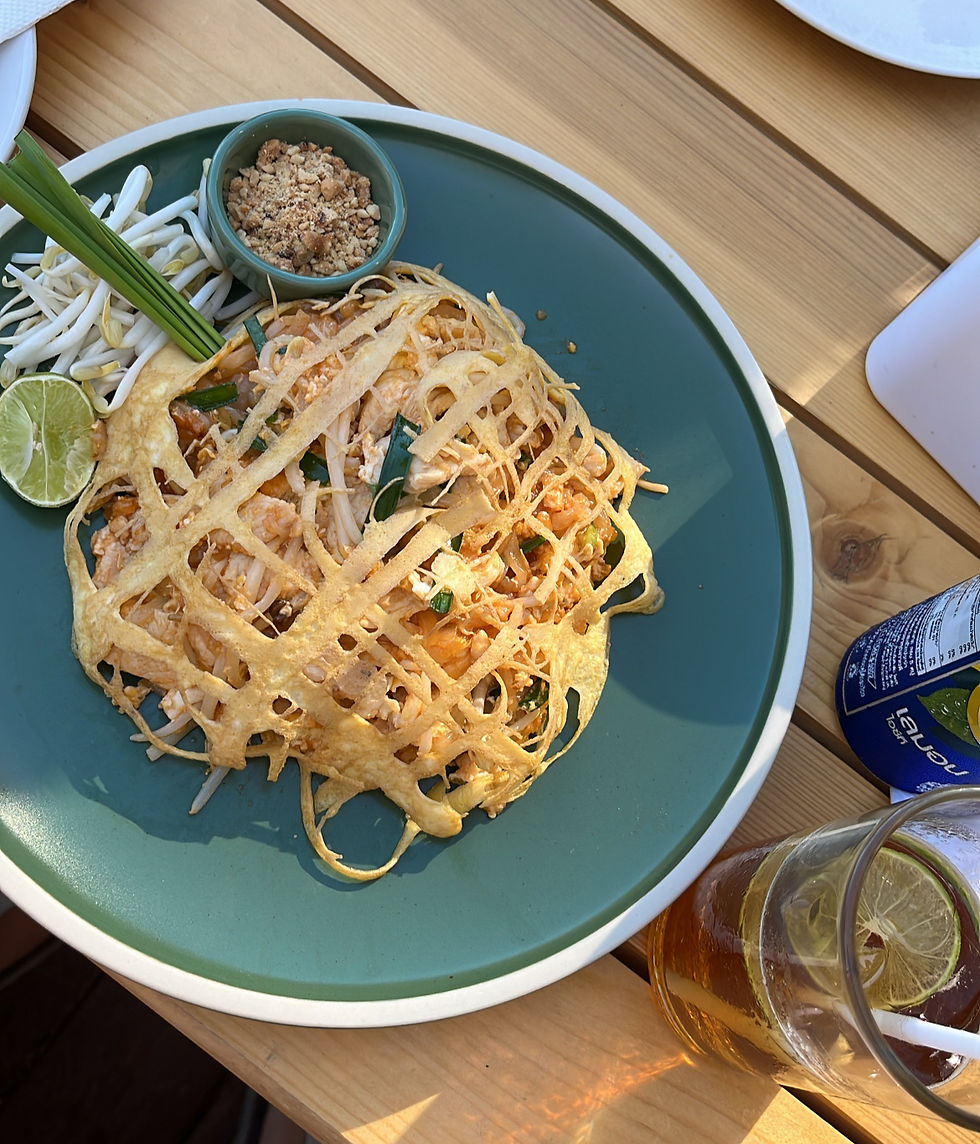
Bophut Night Market
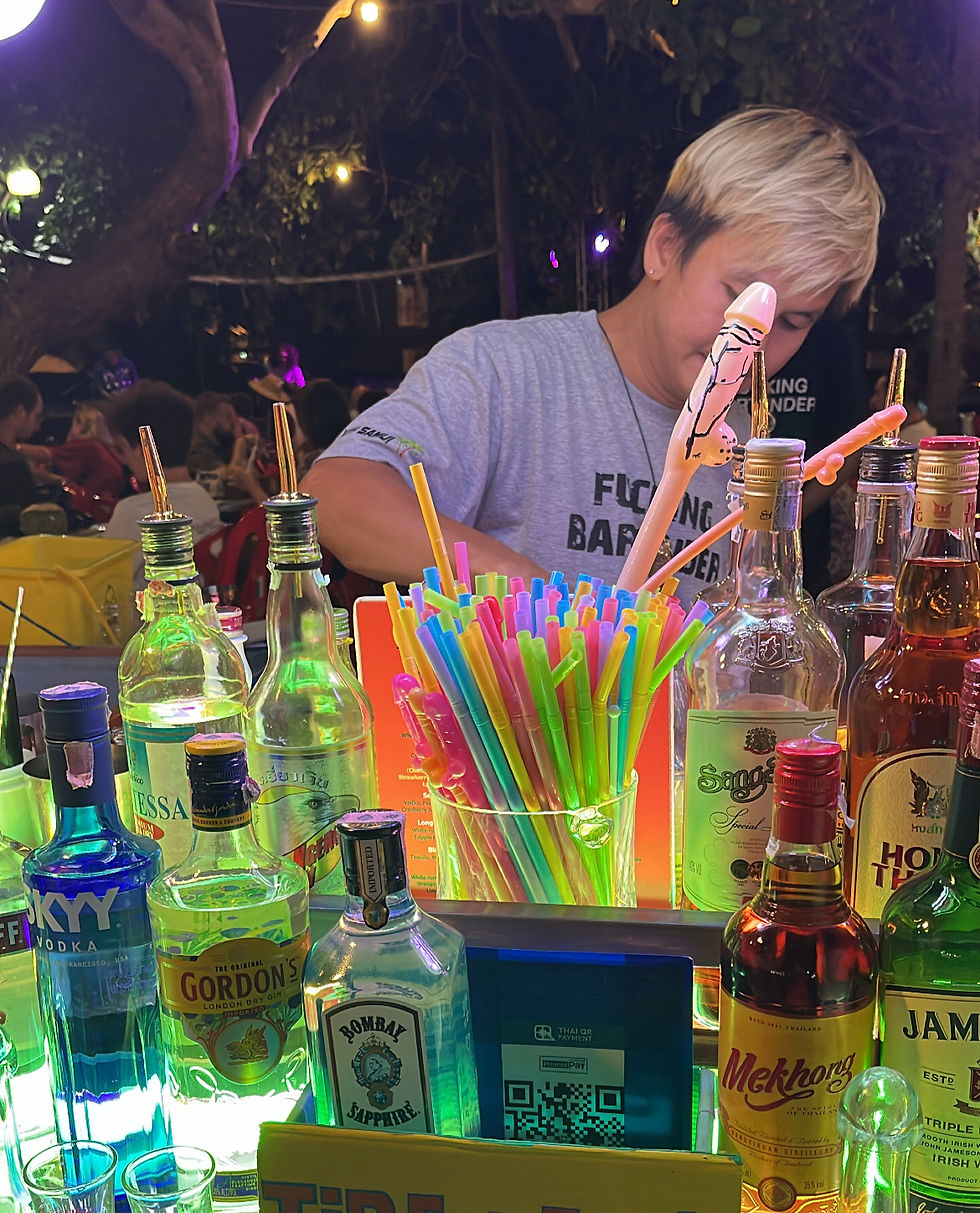
Busy, colourful, and full of excellent street food, the Bophut Night Market is a highlight of any Koh Samui trip.
There's also live music, which adds a great atmosphere. After eating, we ended the night with a foot massage from one of the nearby parlours, the perfect ending to a full day of walking and exploring.
Must-try foods:
Satay skewers
Thai dumplings
Mango sticky rice
Local Thai cocktails (The Lychee Margarita is a must-try!)
Practical tip: Go hungry, wear comfortable shoes, and arrive early to get ahead of the crowds.
Where to Stay
Koh Samui has accommodation for every budget. Here's a rough breakdown by area:
Chaweng: Best if you want to be in the middle of the action, with easy beach access and lots of dining options. Can be noisy at night.
Bophut: Quieter, more charming, great for couples or anyone wanting a more relaxed vibe. Still close enough to everything.
Lamai: A good middle ground between lively and laid-back, slightly less crowded than Chaweng.
For a mid-range trip, expect to pay around 800–1,500 THB per night for a decent hotel or guesthouse with air conditioning and a pool.
Final Thoughts
Koh Samui surprised me. I'd half-expected it to feel like a commercialised beach resort, and parts of it are exactly that; but the island has a lot more going on beneath the surface. The Ang Thong Marine Park alone is worth the trip, and there's a warmth and energy to the place that I genuinely loved.
If you're heading to Thailand and debating whether to include Koh Samui in your itinerary, my honest advice: go. Just give yourself more than two days if you can.
Have questions about visiting Koh Samui? Drop them in the comments below. I'm happy to help!


Comments